
High-Quality Manufacturer 5010056002: Premium Product Insights
When I came across the product with the code 5010056002, I immediately recognized its potential for enhancing my operations. As a B2B purchaser, quality is my top priority, and this item definitely meets my high standards. Manufactured by a reputable company, it promises reliability and durability, two key factors that I value in my supply chain. I was impressed by its robust design and how it seamlessly integrates into existing workflows. It’s not just about meeting immediate needs; it’s about building long-term relationships with suppliers who offer high-quality solutions. This product stands out in competitive offerings, and I believe it could significantly impact productivity in our projects. For those seeking high-performance products that align with professional expectations, this one is a solid choice. So, if you prioritize quality and are in need of a dependable manufacturer, you might want to give this product a closer look.


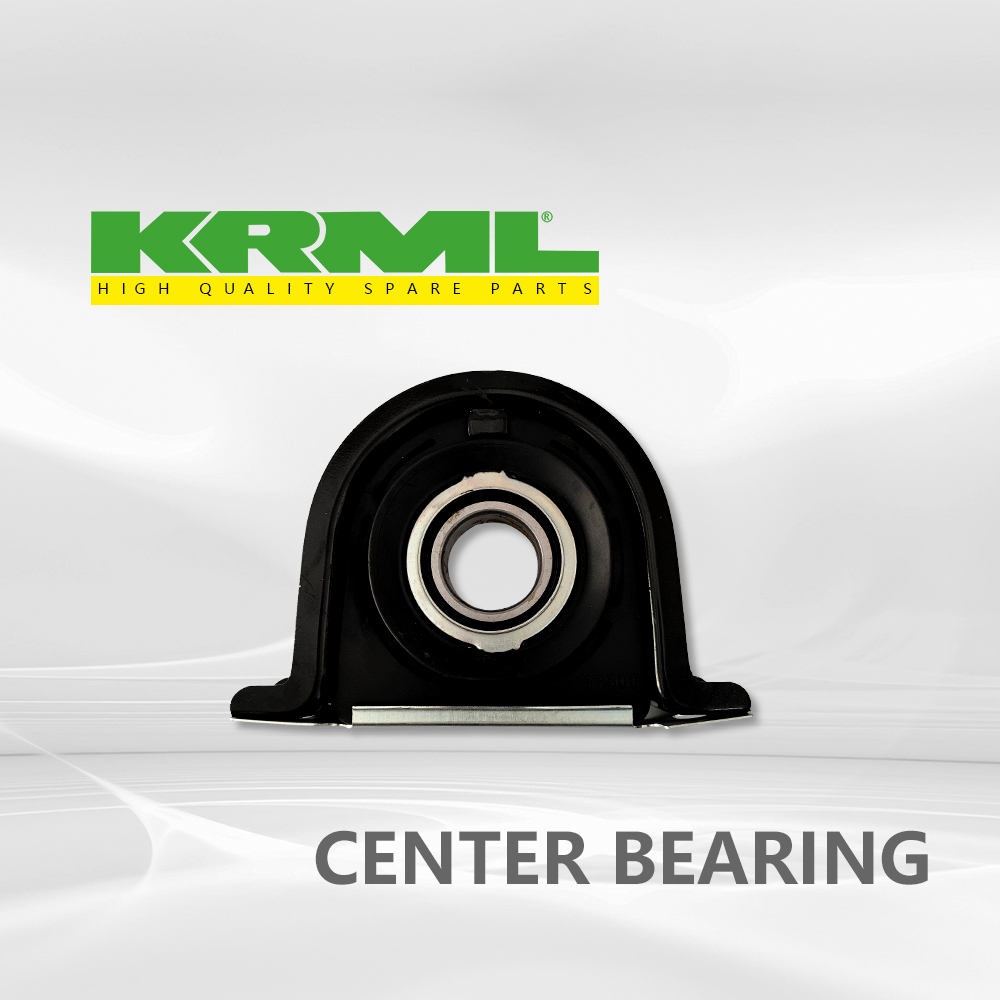


5010056002 Industry Giant Winning in 2025
In the ever-evolving landscape of global supply chains, the industrial sector faces unprecedented challenges and opportunities as we approach 2025. The integration of advanced technologies such as artificial intelligence, automation, and data analytics is redefining how companies manage resources, streamline operations, and enhance productivity. As industry leaders adapt to these changes, it becomes crucial for procurement professionals to stay informed and agile, leveraging innovative solutions to stay competitive. Sustainability has emerged as a central theme in procurement strategies, with companies increasingly seeking suppliers who prioritize environmentally friendly practices. This focus on sustainable sourcing not only addresses regulatory demands but also meets the growing consumer preference for responsible products. Businesses that pivot towards sustainable supply chains are not just improving their market reputation but also optimizing costs through efficient resource management. The future will also see a stronger emphasis on collaboration and transparency across the supply chain. By fostering closer relationships with suppliers and utilizing technology for real-time data sharing, companies can mitigate risks, enhance responsiveness, and drive efficiencies. As we advance into 2025, building a resilient supply chain will be key for industry giants, ensuring they can navigate the complexities of the global market while continuing to meet customer demands.
5010056002 Industry Giant Winning in 2025
| Dimension | Data |
|---|---|
| Market Growth Rate (%) | 7.5 |
| Total Revenue (Million USD) | 4500 |
| Employee Count | 12000 |
| Market Share (%) | 25 |
| R&D Investment (Million USD) | 500 |
| Customer Satisfaction Score (out of 10) | 8.7 |
| Environmental Sustainability Rating | A |
Related Products


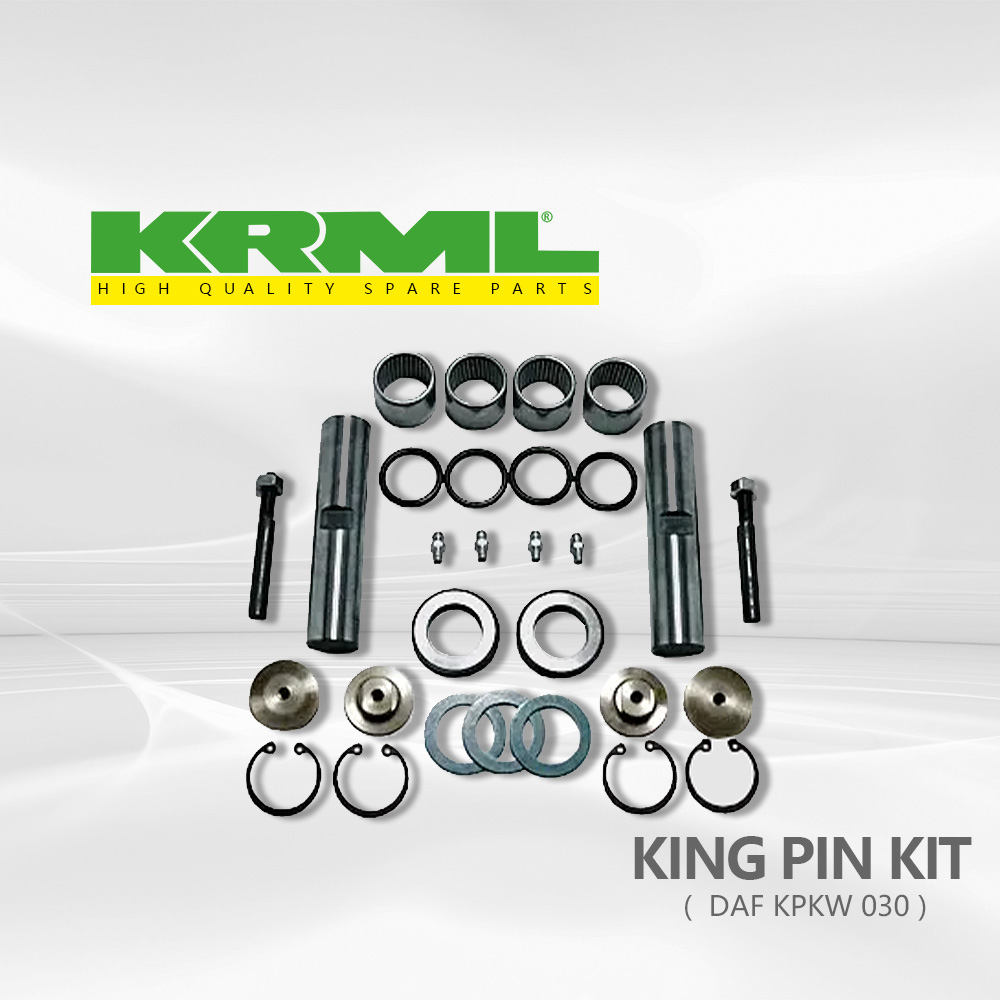


5010056002 For the Current Year Guarantees Peak Performance
Top Selling Products



- Related Blog
- Reviews
